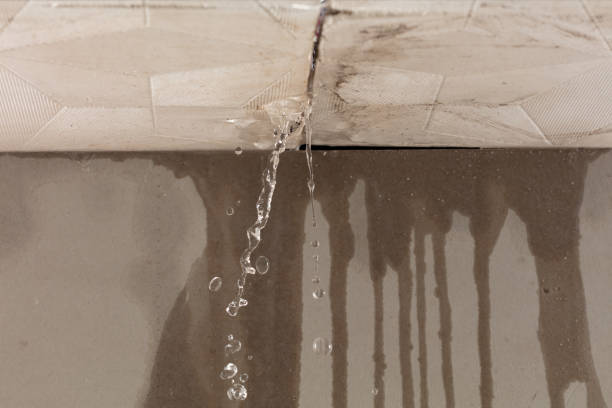
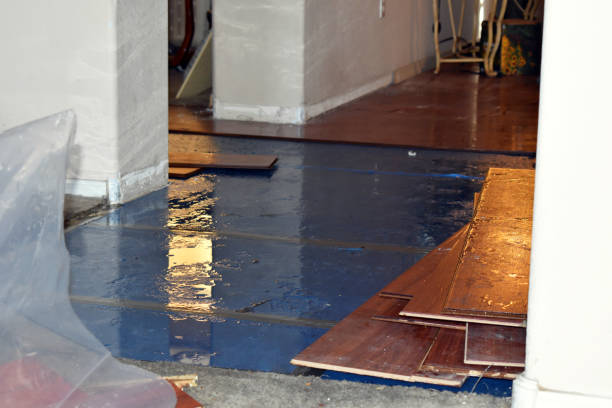
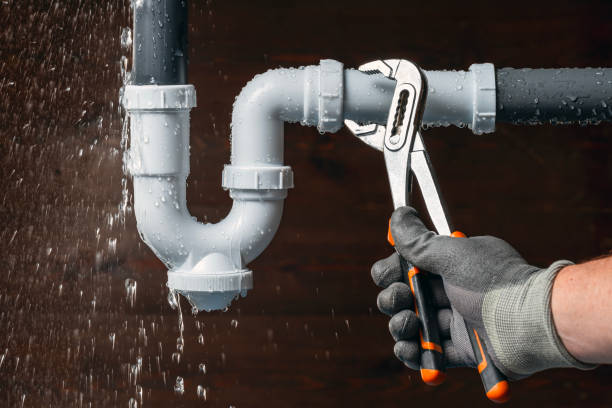
A washing machine hose lets go at 2am and suddenly your Oxford laundry room is underwater — that's the exact moment our dispatch line is built for, with a technician routed before you've finished mopping the first puddle.
Call +1-844-578-1604
Avg. arrival under 60 minutes in Oxford
Flat-rate quote before any equipment runs
IICRC-certified technicians on every truck

We run our Oxford operation on IICRC-certified technicians and commercial-grade equipment, not a subcontractor list we pull from when the phone rings.
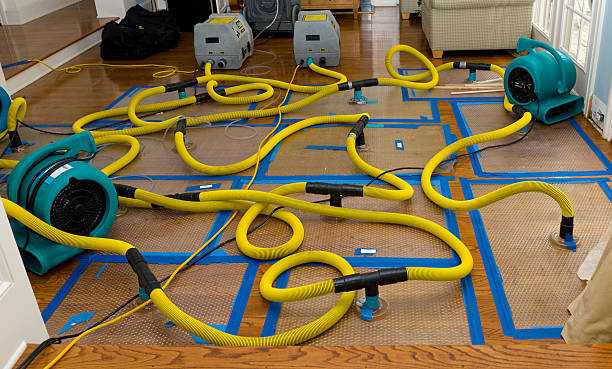
Every Oxford truck carries moisture meters, thermal cameras, and both standard and low-grain-refrigerant dehumidifiers, because a one-size drying setup doesn't work for every kind of Oxford home.
We also keep documentation formatted the way insurance adjusters actually want to see it, since most of our jobs end up crossing an adjuster's desk at some point.
Water damage rarely starts as a dramatic flood — it usually starts small, and these are the signs worth acting on before the damage spreads further.
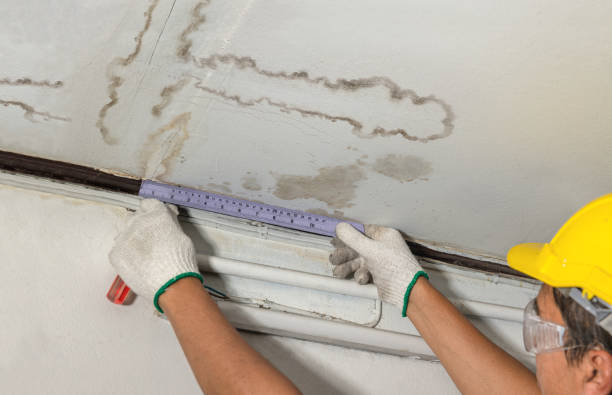
Fresh paint over an old stain can hide the problem visually for a month or two, right up until the drywall paper backing gives out.
A smell that gets stronger after rain is a strong hint that groundwater or a foundation crack is letting moisture in during wet weather.
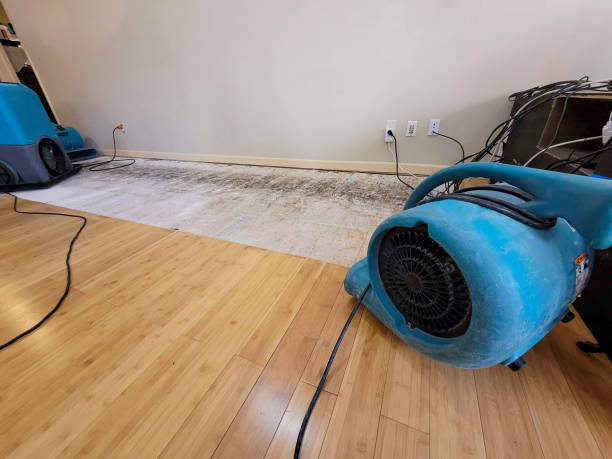
Flooring that shifts slightly when you walk on it, even subtly, is worth a moisture reading before it gets worse.
Catching a hidden leak through the water bill is far cheaper than waiting for it to surface as a flooded room.
Bubbling paint near a baseboard or exterior wall usually means moisture is pushing through from behind rather than a simple application defect.
Mold that returns after a bleach cleaning is a sign the moisture source behind it was never actually addressed.
If more than one of these sounds familiar, it's worth a professional moisture check sooner rather than later.
Bouncing between an extraction company, a drying company, and a repair contractor is how small jobs turn into weeks-long headaches — we keep all three under one roof on purpose.
The equipment on our trucks scales up or down to the job, but the process — assess, extract, dry, verify, repair — doesn't change.
The first hour after a water loss decides how much of the structure is salvageable, which is why extraction is always the first truck-mount job, not an afterthought behind paperwork.
We don't call a structure dry based on a visual check — the moisture meter has the final say before equipment comes down.
Materials that had direct contact with contaminated water almost always come out rather than get dried in place — that's a safety call, not a cost-cutting one.
If mold has already started, containment with negative air pressure goes up before any demolition begins, so spores don't travel to unaffected rooms.
Once moisture readings confirm the structure is dry, the same team that documented and dried the loss hands off directly into drywall, insulation, and flooring repair.
Specialized content cleaning often saves items that looked like a total loss at first glance, which keeps replacement costs off your claim.


Four steps, no guesswork — here's exactly what happens between your call and a verified-dry structure.
Real person, real questions, fast routing — the goal is getting a truck moving within minutes of hanging up.
Photo and moisture documentation happens before any equipment gets touched, which protects your insurance claim later.
Standing water comes out first with commercial extraction equipment, then air movers and dehumidifiers go to work based on the readings just taken.
Final verification is where corners often get cut industry-wide; we treat it as mandatory.
None of these four things matter in isolation — it's the combination of licensing, speed, honest pricing, and a real guarantee that actually changes the outcome of a water emergency.
Every technician carries IICRC certification, and every crew works fully insured — documentation available whenever you want it.
Regionally staged trucks mean a crew often arrives before a national chain's call center finishes the intake questionnaire.
The number we quote is the number you pay, regardless of how long the drying cycle runs.
If a drying target isn't hit on schedule, equipment stays on-site at no extra charge until the readings confirm it's dry.
We'd rather run a dehumidifier an extra day on our dime than sign off on a reading we're not confident in.
This isn't marketing copy — it's the actual checklist our crews sign off against before a job is marked complete.
Call +1-844-578-1604Aqua Guard Water Damage routes crews across Oxford and its surrounding zip codes, including 19363, so response times hold steady no matter which side of town the call comes from.
We track call patterns by zip code across Oxford to keep crew staffing matched to where emergencies actually happen.

"What stood out was how calm the technician stayed while explaining a genuinely stressful situation — that mattered more than I expected."
Renee A., Oxford"The daily moisture log gave me something concrete to look at instead of just being told to trust the process."
Owen D., Oxford"They didn't cut corners on the sanitization step even though it clearly slowed them down — with two kids in the house, that mattered to us."
Fatima J., Oxford"Fast response and clear pricing, and they handled the back-and-forth with my insurance adjuster directly, which saved me a genuinely stressful week."
Lucas P., Oxford"Getting a daily drying log meant we always knew where the job stood instead of a vague verbal update."
Grace T., Oxford"Working a commercial job around our business hours could have been a scheduling nightmare, but they made it simple."
Nathaniel W., Oxford"A cracked supply line under our kitchen sink went unnoticed for days, and by the time we called, the subfloor was saturated. They only replaced what actually tested wet, not the whole floor."
Bianca H., Oxford"They explained the crawl space drainage issue in plain terms instead of technical jargon, and fixed it on the spot rather than scheduling a separate trip."
Derek S., Oxford"Our upstairs bathroom leaked into the kitchen ceiling below and the crew traced it back to a failed wax ring on the toilet, not just patched the visible ceiling stain."
Melissa C., Oxford"Being out of town when it happened was stressful enough — having a crew that could work directly with our property manager made it manageable."
Victor N., Oxford